From Field to Fanshop
How can fan merchandise help combat poverty, empower children, and make global supply chains fairer? The “From field to fan shop” project combines sustainable cotton production in India with responsible sports merchandising and targeted sports and education programmes for the next generation. For this idea, the project was awarded the 2026 Fairtrade Award.

Cotton is the world’s most important natural fibre for textile production. Globally, most cotton is produced in India. Yet, even though this raw material is in such high demand, cotton farmers struggle to make a living from their income: low yields from conventional farming, high agricultural costs, and poor access to global supply chains make this nearly impossible.
Fair supply chains in sports merchandising
The production of fair-trade organic cotton could be a solution here – not only because organic farming offers greater yield security and thus more economic stability, but also because the criteria for organic certification include social benefits for producers and their families. The GIZ project “From field to fan shop,” initiated by the BMZ, therefore supports smallholder farmers in the Indian region of Gujarat in transitioning their production to organic farming.
The aim is to establish transparent and fair supply chains in sports merchandising: The cotton produced in the project is processed by partners from the textile industry and used for fan merchandise of German football clubs – from the cotton field to the fan shop. So far, around one million fan articles have been made from the project cotton - by 2028 there are to be more than 1.5 million items. However, it is not only about jerseys and the like: the project also opens up sports opportunities and thus opportunities for disadvantaged children and young people from the region.
Winning the Fairtrade Award is wonderful recognition that partnership-based approaches across the entire supply chain can make a real difference. We are very proud and would like to thank everyone involved for their exceptional dedication. It is only by working together as a team that we can achieve long-term change
On the pitch with us
We have initiated a partnership with the sustainable textile company BRANDS Fashion, Fairtrade Germany, and eight football clubs in the 1st and 2nd Bundesliga to bring fair and organic cotton to the fan shops. Arminia Bielefeld was involved from the beginning and played a key role in the start of the project as a co-founder. We are proud to include the clubs 1. FC Union Berlin, Eintracht Frankfurt, Hamburger SV, SV Werder Bremen, VfB Stuttgart, VfL Wolfsburg, Borussia Dortmund, and FC St. Pauli among our project partners.
![[Translate to EN:] Werder Bremen](/fileadmin/_processed_/4/4/csm_Copyright-Werder-Bremen__5_8a917b4af7.jpg "[Translate to EN:] © Werder Bremen")
After all, sustainable supply chains do not start in the field, but with the living conditions of families as a whole: sports programmes strengthen children, improve access to education and open up future prospects – as an important supplement to the economic stabilisation of farming households.
Know-how empowers producers to make change
To ensure that the conversion from conventional to organic farming can really be successful, "From field to fan shop" not only provides the necessary seeds, but above all offers training courses to prepare the farmers appropriately for the conversion process and the new challenges. While 450 producers were already funded in the first project phase (2022-2025), there are already 1,650 in the second project phase (2025-2028) – a huge increase in just three years. But it is not only the more environmentally friendly organic cultivation that is in the foreground. In particular, the food security of cotton farmers is to be promoted. This is achieved through better market access and purchase guarantees for their product for the first few years. The demand from sports merchandising creates planning security and also makes sustainable cotton economically attractive. Already in the first funding period, the project participants were able to increase their average income by a whopping seven percent. In addition, 360 producers report that they have been able to better protect their cotton from climate challenges through new cultivation and adaptation methods – which benefits yields.
Effects at a glance
Project duration: since 2022
Producers: Expansion from 450 to 1,650
Income development: average +7%
Climate resilience: 360 producers report improvements
Cotton produced: 4,180 tonnes of cotton converted to organic
Fan merchandise: 1 million so far, 1.5 million by 2028
Children and young people: more than 3,000 participants by 2028
Total reach: around 25,000 direct or indirect beneficiaries by 2028
You can learn more about switching to organic cotton in these stories:

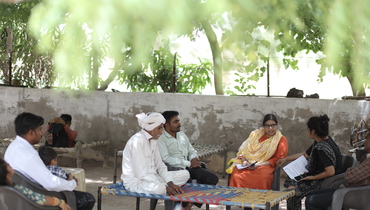
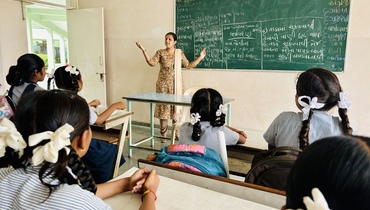
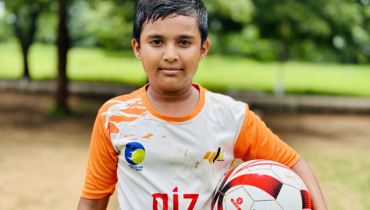
But the project is not just about the now. In order for fair supply chains to exist in the long term, prospects for the next generation are needed in the growing regions. That's why "From field to fan shop" focuses specifically on children, adolescents, and young adults. Sports programmes serve as low-threshold access to reach disadvantaged young people, strengthen the community and impart educational content. In addition to these life skills, the trainers and mentors – trained by the project among the young people in Gujarat – themself also pass on the importance of resource and environmental protection. In this way, the project combines ecological sustainability in the supply chain with social development on the ground.
You can learn more about empowering children and youth in Gujarat in these stories:


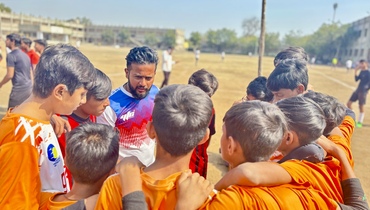
Taking on social responsibility together
The project is supported by the clothing manufacturer BRANDS Fashion and eight clubs in the 1st and 2nd Bundesliga. BRANDS Fashion produces fan articles for the participating clubs from the organic cotton produced in Gujarat. These, in turn, guarantee the purchase of the fairly and environmentally friendly products. "If we want to have more organic cotton on the market, then you also have to get involved in supporting smallholder farmers in the Global South in the transition from conventional cotton to organic production," says BRANDS Fashion's sustainability department manager Rabea Schafrick, explaining the social responsibility that the project partners assume.
The participating companies and clubs combine responsible procurement with measurable impact along the supply chain via "From the field to the fan shop". Long-term purchase commitments, transparent origin routes and support for sustainable cultivation methods take both ecological and social aspects into account. Together, all participants prove that organizations can meet their social responsibility and at the same time make resilient contributions to sustainability and supply chain goals.
What do companies get out of it?
Companies and organizations can assume their responsibility along their supply chains while also achieving tangible business benefits. Transparency about the origin of raw materials, better livelihoods of producers and more sustainable production methods show how environmental and social sustainability goals can be integrated into procurement and supply chain processes.
By working with experienced local partners, participating companies gain access to sustainably produced and traceable cotton, local expertise and reliable supplier relationships. This can reduce procurement and implementation risks, improve product quality and planning certainty, and support companies in meeting sustainability requirements in a credible and practical way.
Sustainably produced merchandise makes clubs’ and companies’ commitment to fair supply chains visible, strengthening credibility and brand loyalty. At the same time, new procurement and partnership models can be tested, combining social impact with more resilient supply chains and long-term economic opportunities.
Voices from the participating clubs:
In the future, "From the field to the fan shop" will expand the project to other districts in the Gujarat region so that even more cotton farmers as well as children and young people can benefit from it.


New photo story: From the field to the fan shop
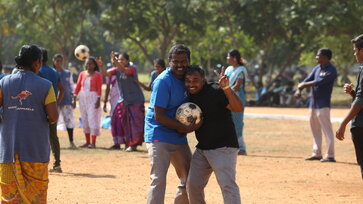
Football connects people. And not only in the stands, but also along global supply chains. This is because many of the fan merchandise sold by the clubs originated in the Global South.
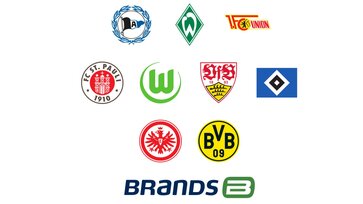
The project "From the field to the fan shop" shows how fair trade, sport and development cooperation can work together – for sustainable textiles and strong future prospects. Eight clubs from the 1st and 2nd Bundesliga have joined this project.
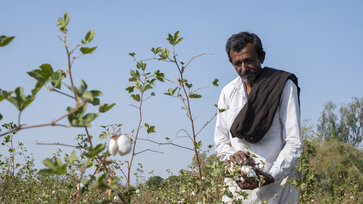
In the beginning there is cotton. In Gujarat, India, smallholder farmers grow cotton – often under difficult economic conditions.
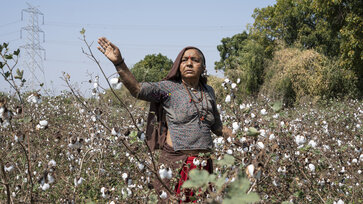
The project supports smallholder farmers in converting their production to organic cotton. Sustainable agriculture protects natural resources and opens up long-term prospects for the families involved.
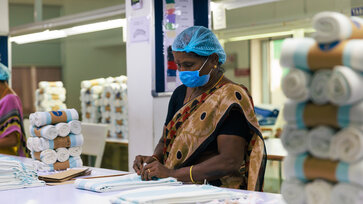
The production partner is the company BRANDS Fashion, which processes the organic cotton produced into fan articles.
This is how the clubs come into play. They guarantee that the organic cotton fan merchandise will be sold in their fan shops.
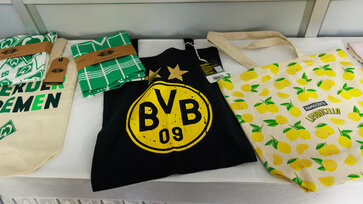
In this way, they become popular with fans for the fair T-shirts and Co and thus create awareness of sustainable supply chains.
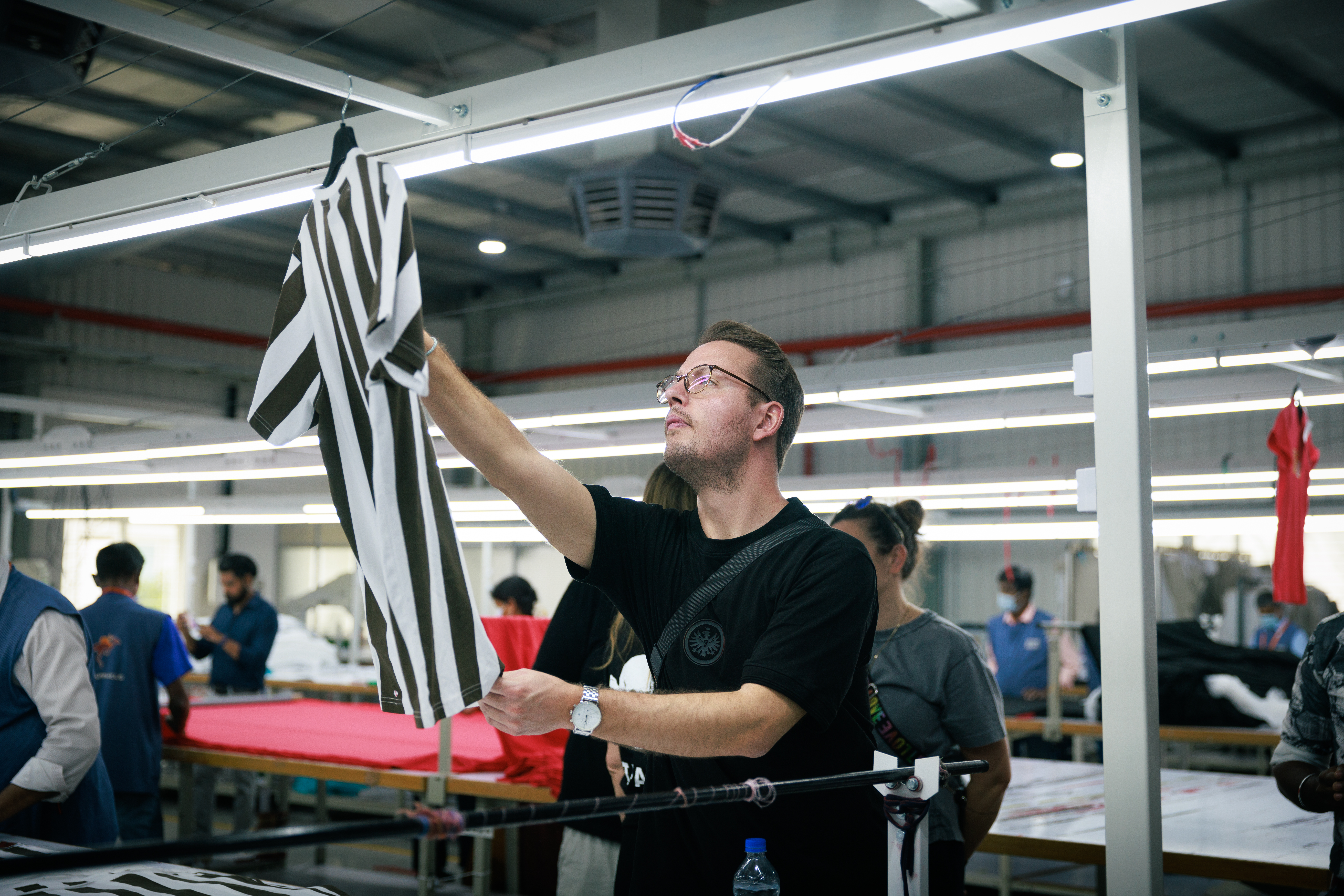
With the guaranteed purchase of organic cotton, the partners involved – associations and BRANDS Fashion – guarantee farmers access to the market. This is the only way to make the switch to sustainable cultivation economically attractive.
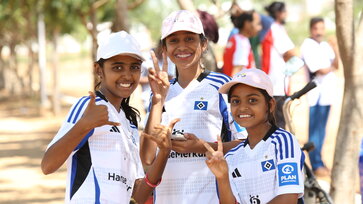
In addition, the program also offers sports programs for children and young people, thus opening up low-threshold access to education, community and future prospects.
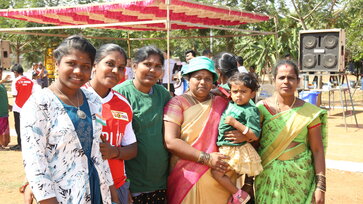
When children are sensitized to environmental protection, fairness and team spirit, this has an impact on generations – on the pitch and beyond.
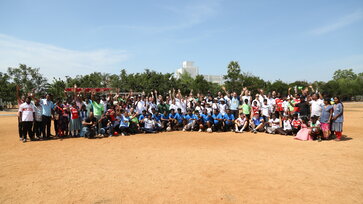
Bisher profitierten schon tausende Menschen von „Vom Feld in den Fanshop“, darunter mehr als 2.000 bäuerliche Haushalte in Gujarat und mehr als 1.000 Kinder und Jugendliche, die durch Sport neue Chancen erhalten haben.