From Field to Shelf: Germany and Uzbekistan Collaborate to Green Cotton Supply Chains
ECO EXPO 2025 highlights progress, partnerships and practical steps toward sustainable trade and climate-smart agriculture

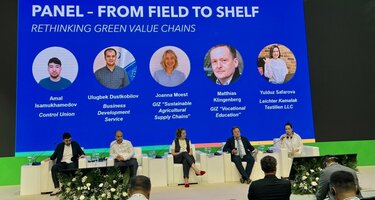
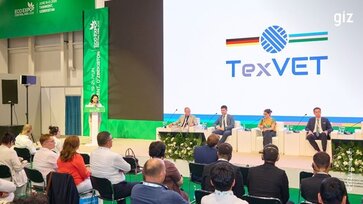
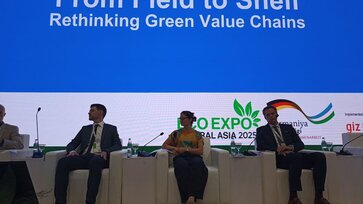
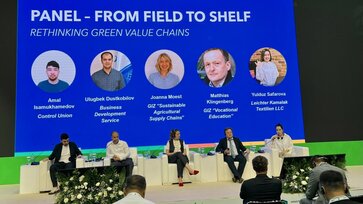
Tashkent, 24 June 2025 – At ECO EXPO Central Asia 2025, the region’s premier forum for environmental innovation and sustainable development, Germany and Uzbekistan marked a new chapter in their green partnership. Organised by GIZ on behalf of the German Government, the panel session “From Field to Shelf” brought together development actors, certification experts and businesses to discuss how sustainable cotton and textile supply chains can help tackle environmental degradation, social inequality, and economic challenges – all while opening access to global markets.
As global consumers demand more traceable, responsible products, the way cotton is grown, processed, and traded is rapidly changing. Uzbekistan, with its long-standing cotton sector and youthful, dynamic workforce, is poised to become a leader in this transition. At the same time, the country faces acute environmental challenges – including land degradation, water scarcity, and the lasting impacts of the Aral Sea crisis.
How sustainable cotton is transforming value creation
Against this backdrop, the panel offered insights into how value chains can be transformed – not only to meet international standards, but to serve local needs and create lasting economic opportunities. Amongst other, experts shared the outcomes of GIZ’s project “Sustainability and Value Added in Agricultural Supply Chains | Cotton”, which concluded at the expo after several years of implementation.
One of the project’s most tangible achievements: the area under sustainable cotton cultivation in Uzbekistan increased from just 200 hectares to over 47,000 hectares – a milestone made possible through partnerships with farmers, local businesses, training institutions, and Better Cotton, the world’s largest sustainability initiative in the cotton sector. Today, seven Uzbek companies are licensed to produce cotton under Better Cotton standards.
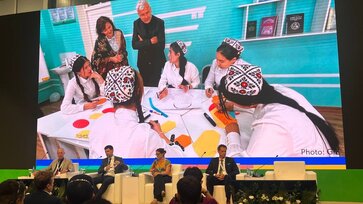
The initiative also demonstrated how vocational education (TVET), innovation, and inclusive trade can reinforce each other. GIZ supported training for workers and institutions throughout the value chain – from farmers to factory managers – equipping them with “green skills” to navigate and lead the transition. Public-private networks have also gained traction: where dialogue between companies, educators and civil society was once rare, regular meetings and collaborative innovation are now becoming the norm.
Sustainable supply chains are reshaping Uzbekistan's agriculture
“Green industrialisation, climate-smart farming and inclusive employment are no longer isolated priorities – they’re interconnected,” said Paul Schumacher, Project Manager at GIZ. “Our strength lies in building local networks, providing practical tools, and engaging strong partners across sectors and borders.” Speakers from GIZ, Uzbek consultancy firms, textile companies and certification bodies discussed the importance of aligning global demands with local realities. The conversation also addressed the role of trade frameworks such as CBAM (Carbon Border Adjustment Mechanism) or GSP+, which create both pressure and incentive for exporters to embrace sustainable production.
The panel concluded with a clear message: sustainable supply chains are not abstract ideals – they are already reshaping how Uzbekistan farms, trains, manufactures, and trades. The transformation is not only visible in data, but in people’s lives: rural regions are seeing new job opportunities emerge, farmers are gaining access to markets, and young people are entering professions that combine innovation with purpose.
For European audiences, the event also carried a message of shared responsibility. With Uzbek cotton likely found in the jeans, shirts, and home textiles of millions of consumers, the transformation of Central Asian supply chains is directly linked to European climate goals, trade policies, and consumer choices.
The GIZ engagement is closely aligned with Uzbekistan’s Strategy for Transition to a Green Economy (2019–2030) and Uzbekistan 2030. In close cooperation with national and international partners, Germany remains committed to supporting reforms that build resilience, protect natural resources, and ensure inclusive economic growth in a rapidly changing region.
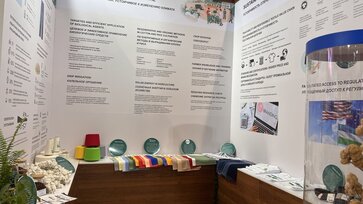
Have a better look at the exhibition booth here.