BMZ-interview on "Exploitation in the coffee trade – change in sight?"
This month the daily newspaper TAZ published a special edition with the title "Exploitation in the coffee trade – change in sight?". The special edition is part of the campaign "Fairer Kaffee für alle – Fairer Kaffee jetzt" (Fair coffee for all – fair coffee now) which the non-governmental organisation Agrarkoordination / Forum für internationale Agrarpolitik e.V. uses to advocate for fair coffee trade. It also includes an interview with Katharina Koufen, spokesperson for the BMZ, on the required measures in this context. As an example, Koufen supports the idea of an "exemption from coffee tax for sustainably produced and fairly traded coffee".
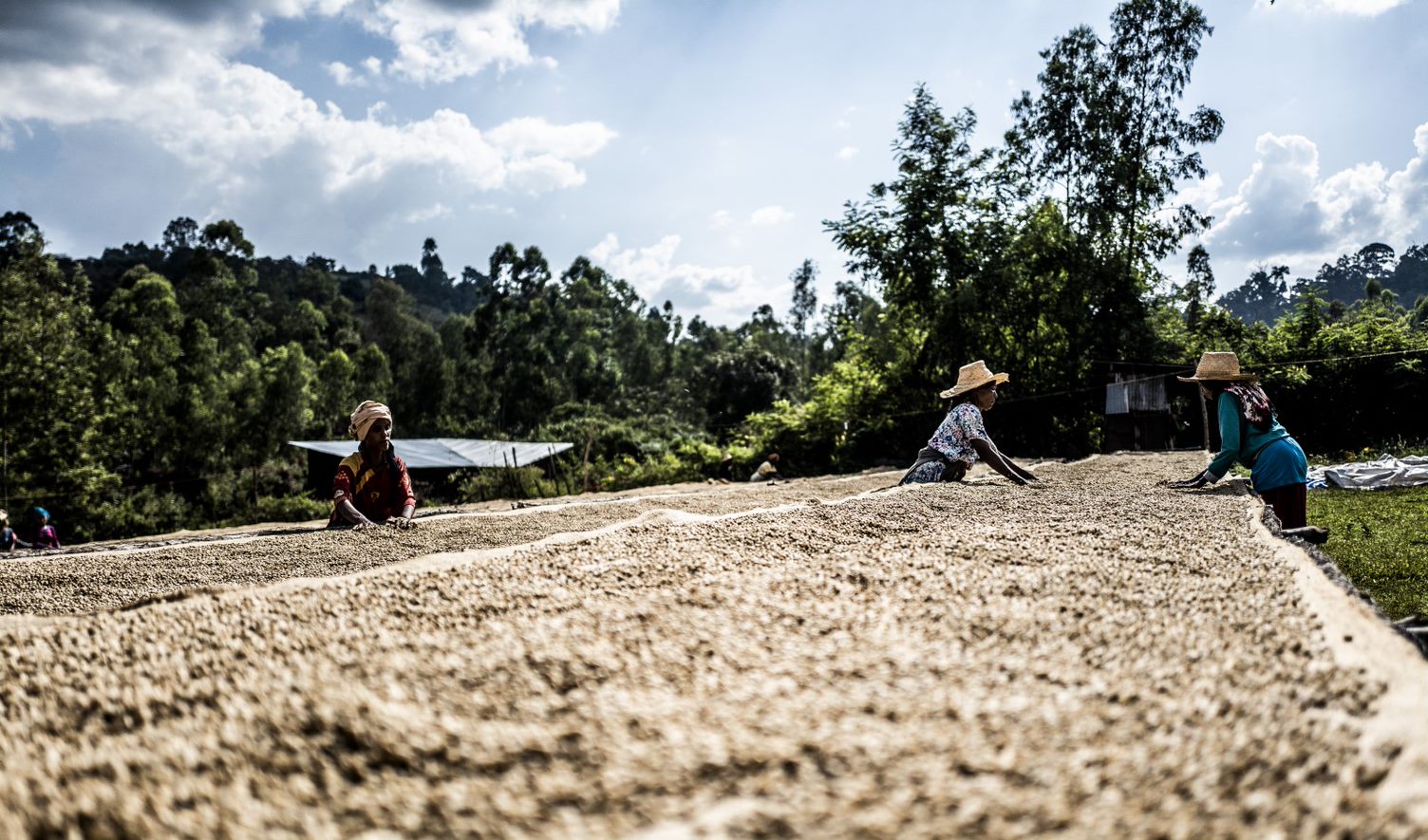
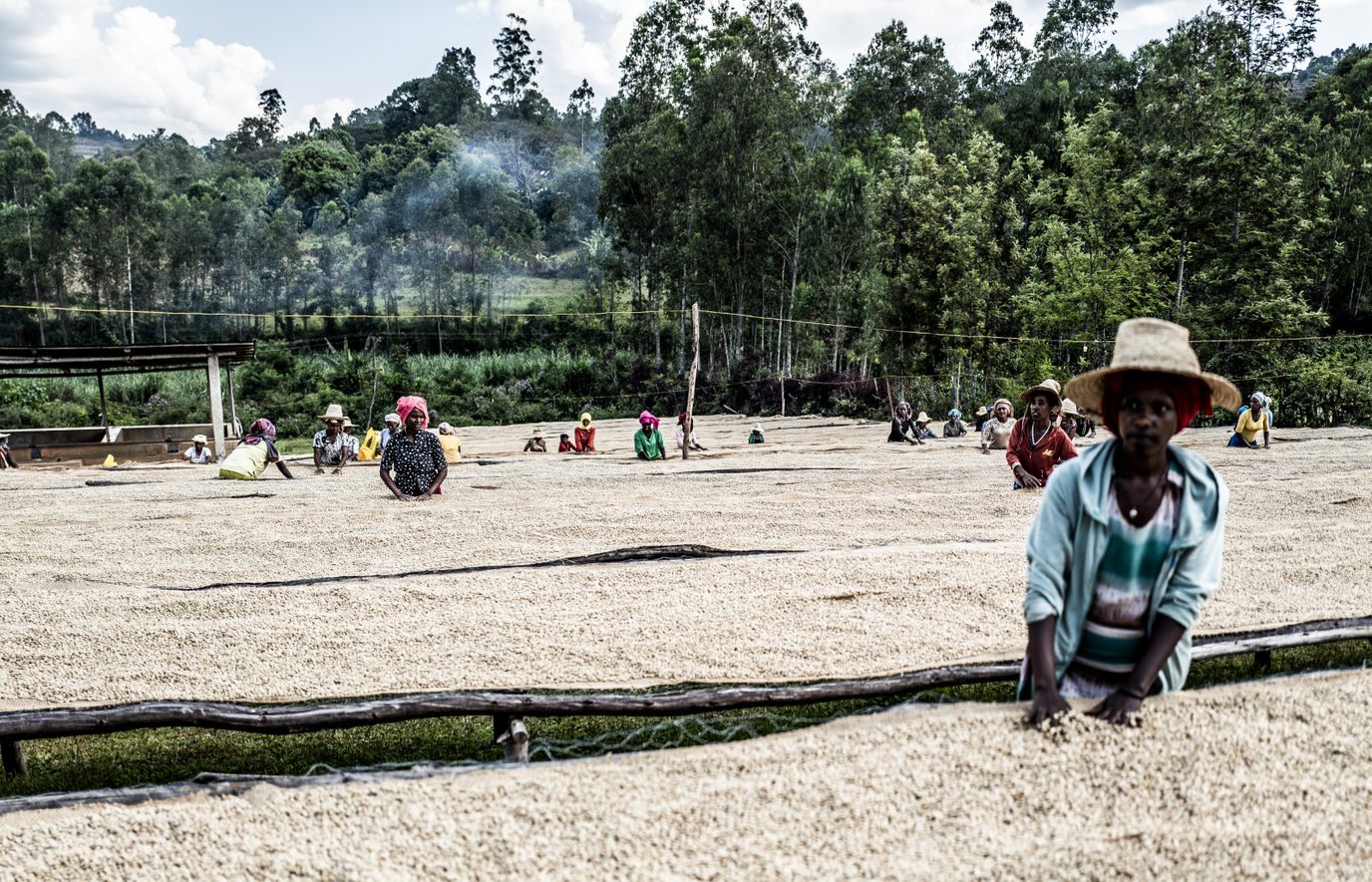
Coffee is the economic basis for 12.5 million farm households in over 50 countries along the equator. However, for millions of smallholder farmers it is impossible to earn a living income from their earnings. Most of the added value is generated in consumer countries such as Germany, with only around 10% remaining in the coffee-growing countries. As the world's second largest importer of green coffee, Germany therefore has a special responsibility.
The special edition "Fairer coffee now" addresses the unequal value distribution in coffee supply chains, incomes and wages below thresholds needed to secure a livelihood in the countries of origin as well as human rights violations and child labour in coffee cultivation. Agrarkoordination points out the responsibility of companies, policy makers and consumers to realize fair coffee supply chains, living incomes and wages for producers a well as seasonal workers. The paper sheds light on political framework conditions in Germany such as the so-called “Lieferkettensorgfaltspflichtengesetz” (Supply Chain Due Diligence Act)and discusses fair purchasing practices and political prerequisites for fair coffee supply chains.
In this context, the interview with BMZ press officer Katharina Koufen offers insights into the BMZ's position and commitment to fair coffee supply chains. Koufen explains that European directives and national laws such as the “Agrarorganisationen-Lieferketten-Gesetz”, a law to strengthen organizations and supply chains in the agricultural sector, are a prerequisite for companies to comply with due diligence obligations. To have an impact, however, further accompanying measures are necessary which are supported by the BMZ. In order to close the gap between current and living income, the BMZ promotes the exemption from the coffee tax for sustainably produced and fairly traded coffee with the aim to reduce prices of fair-trade coffee and thus increase the overall consumption. To achieve this goal, Koufen points out the need for defined standards and control systems in coffee production as a prerequisite for tax exemption. It must be guaranteed that resulting tax savings are passed on to the people in the countries of origin.
In addition, the BMZ supports various actors such as the International Coffee Organization (ICO) in their work to achieve living incomes and wages. To contribute to a fairer distribution of value creation along the coffee supply chain, various pilot projects on value creation for smallholder farmers in producing countries in Kenya, Ethiopia and Indonesia are being supported.
Links: