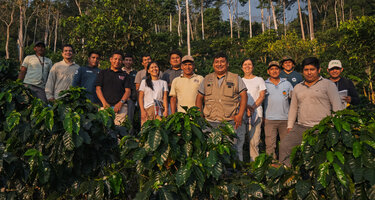
First workshop in Pichanaki (Peru): working agenda for the sustainability of coffee beyond prices
With the workshop held in Pichanaki as part of the activities of the Retailers Working Group on Living Income in the coffee sector, the foundation was laid for establishing sustainable and responsible coffee production in Peru’s central region of Junín. This region includes the key coffee-growing areas of Pichanaki, Satipo, and Pangoa. The project is expected to have a direct impact on the well-being of coffee-producing families and the sustainability of the entire value chain.
In this context, representatives, managers and technicians from four partner organisations of the Living Income Project, together with three local actors, met in Pichanaki to build a common understanding of the strategic objectives and activities that will mark the implementation of this project in Peru. The project takes a holistic approach, combining concrete activities with coffee producers, collaboration with cooperatives, and local level interventions that actively involve the municipality of Pichanaki, the National Institute for Agrarian Innovation (INIA) and NGOs working in the region.
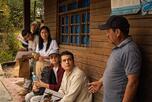
During the workshop, participants identified the main challenges faced to improve their incomes. These include high production costs resulting from the severe impact of climate change, limited access to financing opportunities and the need to strengthen economic diversification. The importance of closer coordination with institutions, such as the INIA, the Agrarian Agency, and the local municipality of Pichanaki, was highlighted. The institutions committed themselves to actively support the project implementation, e.g. through technical advice, the standardisation of technical criteria, and the promotion of productive diversification and sustainable practices. At the end of the workshop, the representatives of the organisations reaffirmed their dedication to advancing sustainable practices in the region, enhancing traceability systems, and maintaining access to European markets.
The workshop facilitated a practical exchange in the field, highlighting the importance of a coordinated territorial management and raising awareness on the responsible use of natural resources as a basis for ensuring the long-term sustainability of producers' incomes. Participants also emphasized the need of promoting greater participation of women and addressed remaining challenges in fostering stronger engagement of youth in the coffee sector.