HABITAR
Project description
Over the past five years, deforestation in the state of Acre in the Amazon has been a significant environmental concern, reflecting broader trends in the Brazilian Amazon. The past few years deforestation surged with record levels of forest loss. The peak occurred in 2021, when 13,235 square kilometres of rainforest were cleared across the Brazilian Amazon, marking the highest level since 2006. Between 2019 and 2023, deforestation in the state of Acre totalled approximately 153,865 hectares. Economic factors are significant drivers, largely influenced by the demand for agricultural land and logging. One of the primary economic drivers is cattle ranching. The state, like many others in the Amazon region, has seen large tracts of forest cleared to create pastures for cattle. Brazil is a leading global exporter of beef, and the growing demand for meat has incentivized ranchers to expand their operations, often at the expense of the forest.
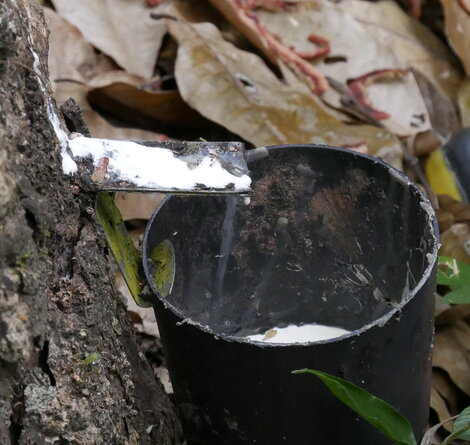
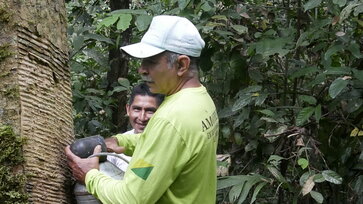
The HABITAR project is an innovative reforestation initiative that intends to restore 100 hectares of degraded land through Assisted Natural Regeneration (ANR) techniques over a period of three years. Natural regeneration is the process by which an ecosystem restores itself and recovers its ecological functions over time without human intervention. The project's target public consists of rural producers following the family-based production model, referred here as “families.” These 66 forest-based families will receive annual payments for the restoration service over the three years, as an economic incentive to encourage them to restore their areas. After that, the families are expected to increase their income through the production of the planted species. Their primary source of livelihood comes from forest products such as rubber, Brazil nuts, and açaí. Therefore, the project will engage with families living in two federally protected areas in the state of Acre in Brazil.
Impact
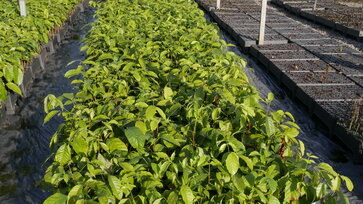
During the first planting cycle (January–March 2025, rainy season), approximately 8,500 seedlings were planted across 33 hectares, with EUR 8,950 paid to families and cooperatives. The second planting cycle is expected to reach the full target of 106 hectares.
Partners
- SOS Amazonia
SOS Amazônia is an NGO founded in 1988 in the state of Acre, inspired by the resistance of the forest guardians. Its primary objective was to defend the cause of the rubber tapers and protect the Amazon rainforest while supporting traditional populations. Nowadays, the institution develops projects and proposes and implements public policies focused on disseminating models and practices for biodiversity preservation and sustainable development. These initiatives are part of SOS Amazônia's ongoing commitment to fulfilling its mission: 'To promote the conservation of biodiversity and the growth of environmental awareness in the Amazon. - VEJA Fair Trade
VEJA is a French footwear brand, created in 2004. From the beginning, VEJA has been creating its products in a different way, mixing social projects, economic justice, and ecological materials. VEJA uses Brazilian and Peruvian organic cotton for the canvas and laces, Amazonian rubber for the soles, and various innovative materials conceived in recycled plastic bottles or recycled polyester. VEJA buys native rubber from more than 2500 families and directly from local cooperatives in Amazon, certified by the Fair Trade program.